01
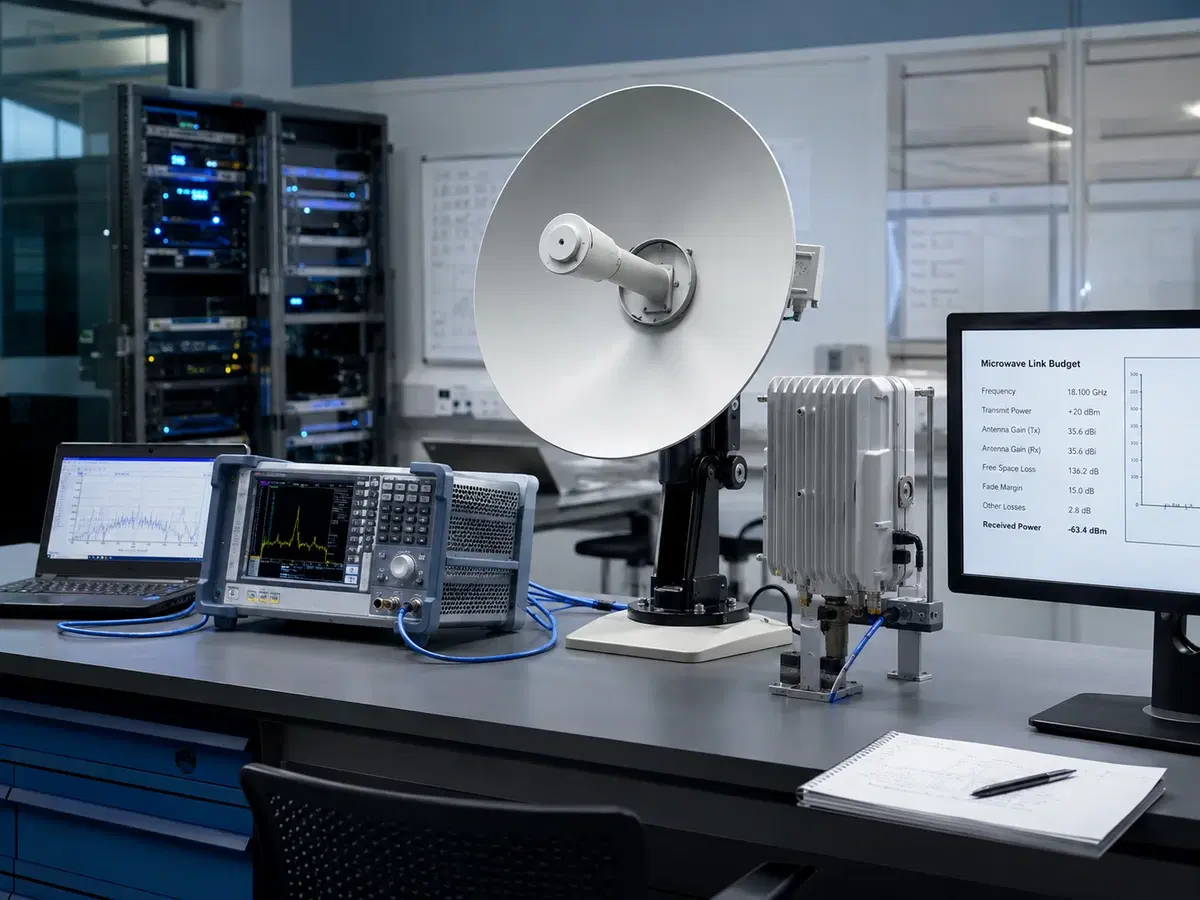
Microwave & Wireless Backhaul
Link budgets, fade margin, and point-to-point RF planning on real radios.
Explore LabEnterprise Infrastructure / Communication Labs
Bridging Classroom Theory with Real-World Engineering Practice
The future engineer must build and operate real-world communication systems, not just understand them. NodalWire designs and deploys industry-grade laboratories that give students hands-on exposure to the technologies, workflows, and engineering environments used in industry.
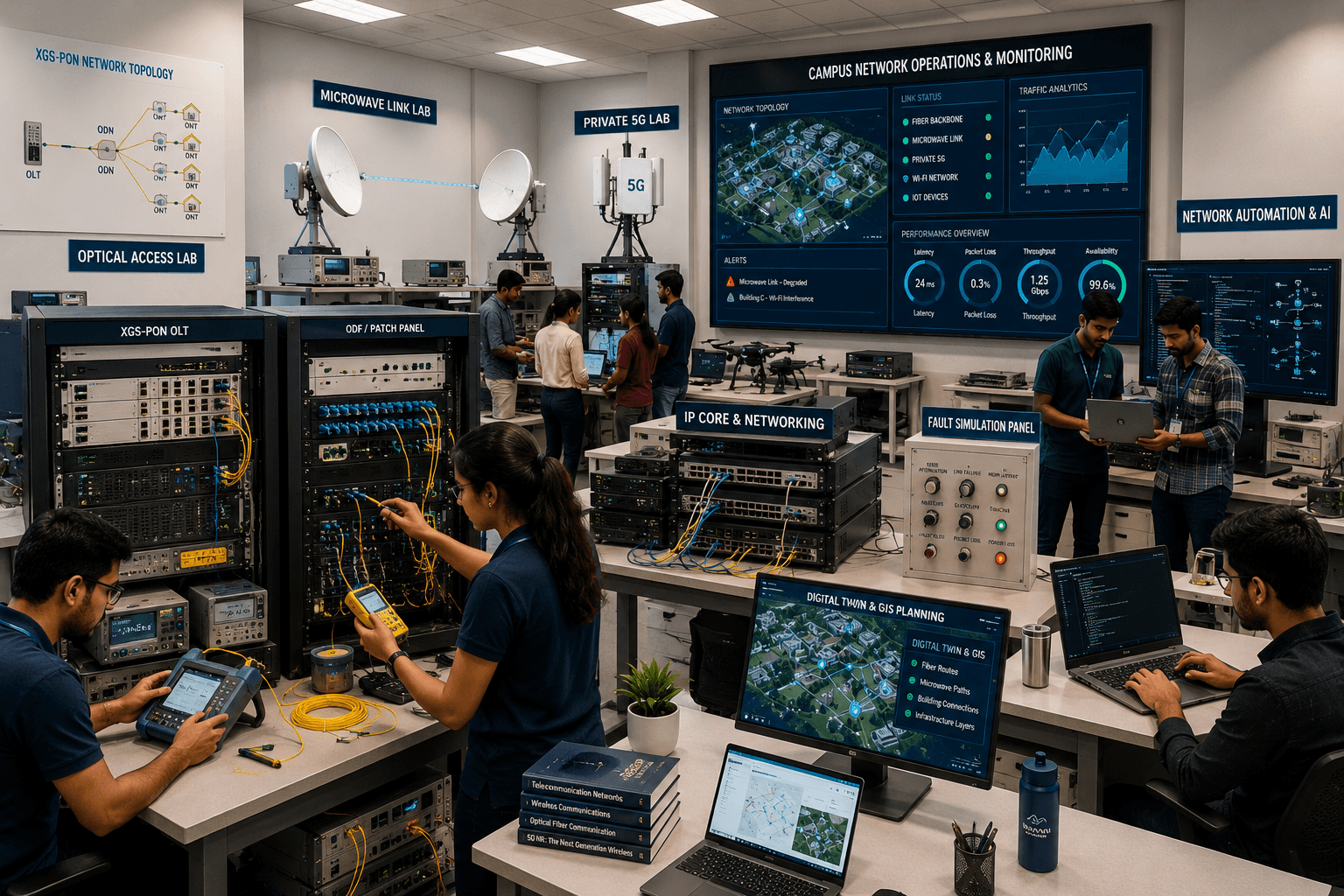
Engineering institutions are expected to prepare graduates who can design, deploy, and operate modern communication and networking systems. Technology evolution, however, frequently moves faster than academic infrastructure refresh cycles.
Academic Theory
The Industry Gap
NodalWire builds the bridge
Real Engineering
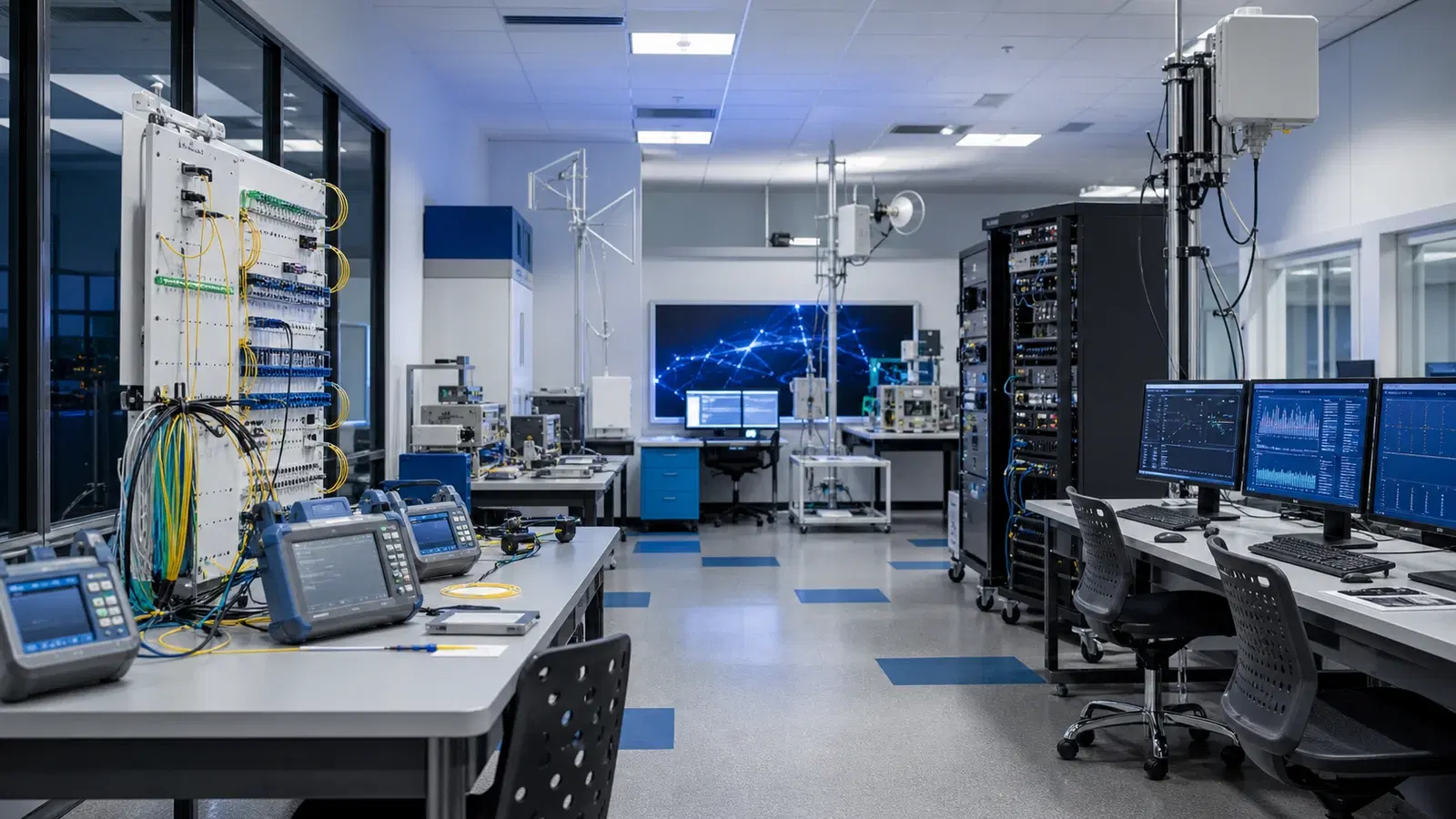
We don’t just supply equipment. We build complete learning environments, architecture, hardware, software, curriculum, faculty enablement, and the lifecycle support that keeps a lab relevant for years, not one semester.
01
Topology, layout, and technology stack planned around the institution's program and available space, not a fixed template.
Start with one technology domain or combine multiple disciplines into a shared engineering environment.
Link budgets, fade margin, and point-to-point RF planning on real radios.
Explore Lab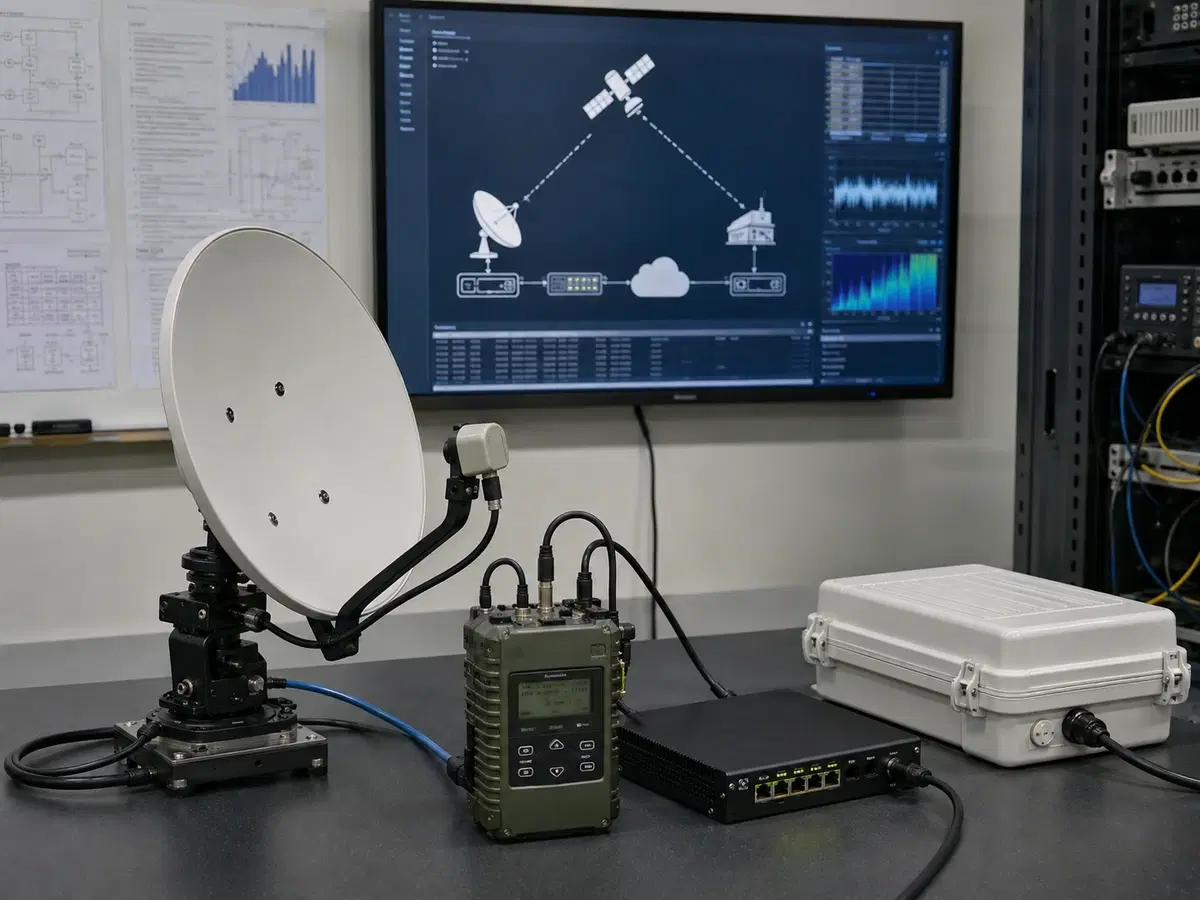
VSAT and LEO terminal operation for connectivity beyond terrestrial reach.
Explore Lab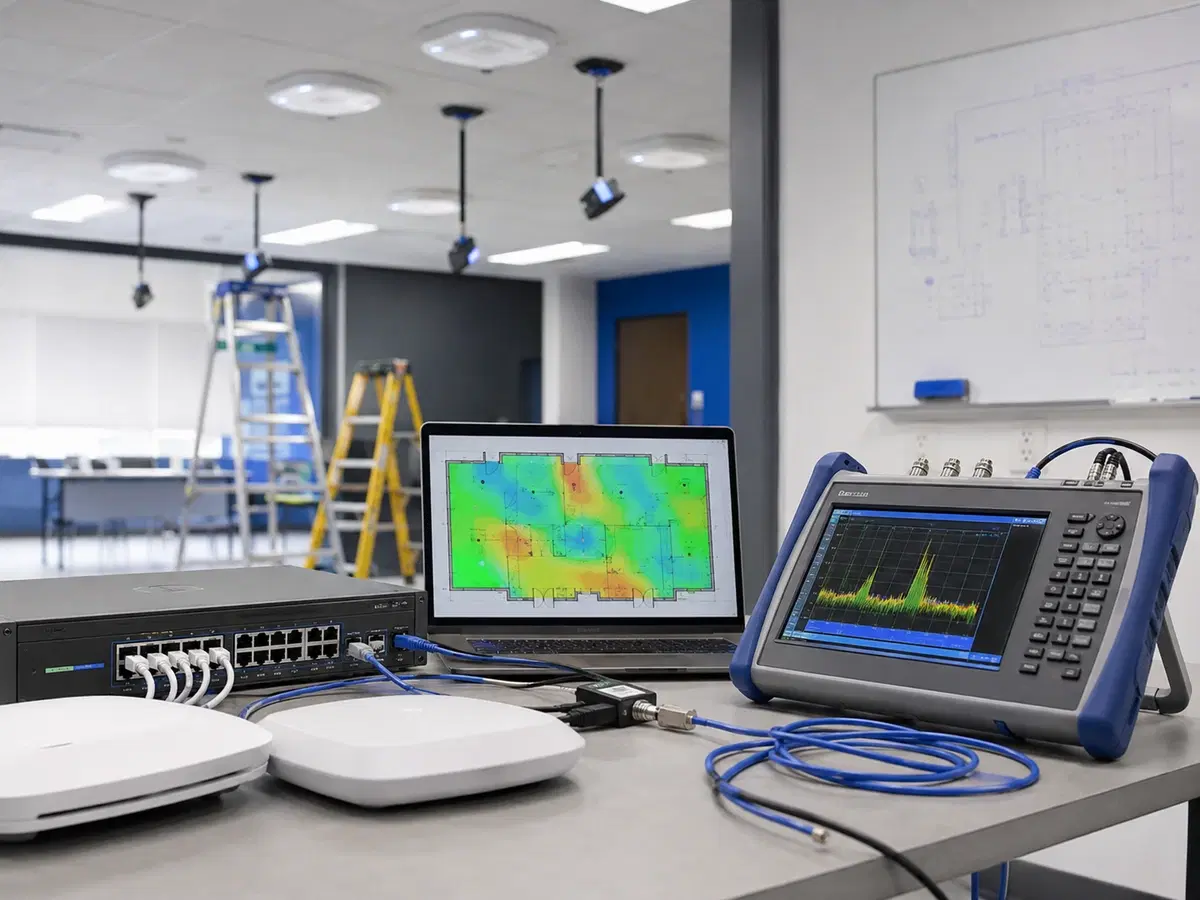
RF survey, AP placement, and enterprise wireless design and troubleshooting.
Explore Lab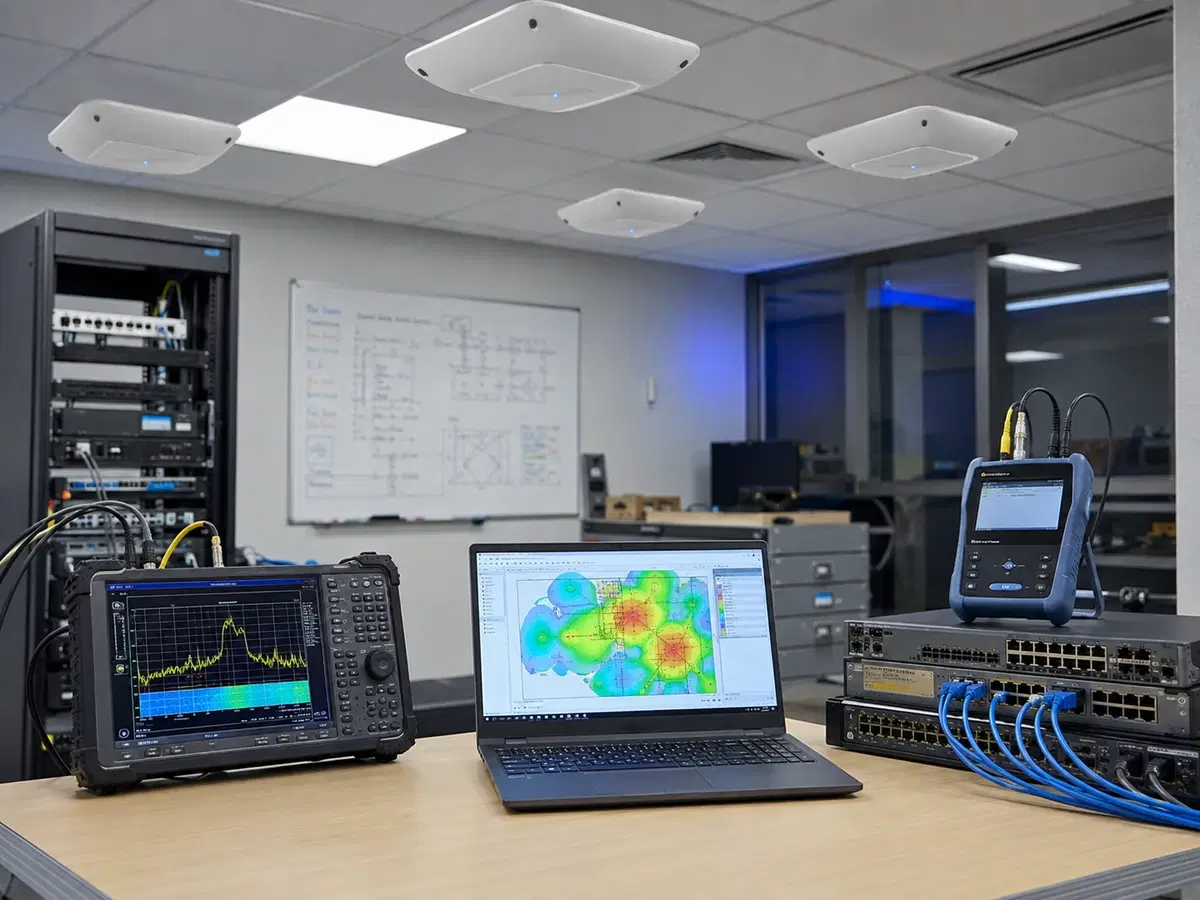
Splicing, OTDR testing, and passive optical network design on live equipment.
Explore Lab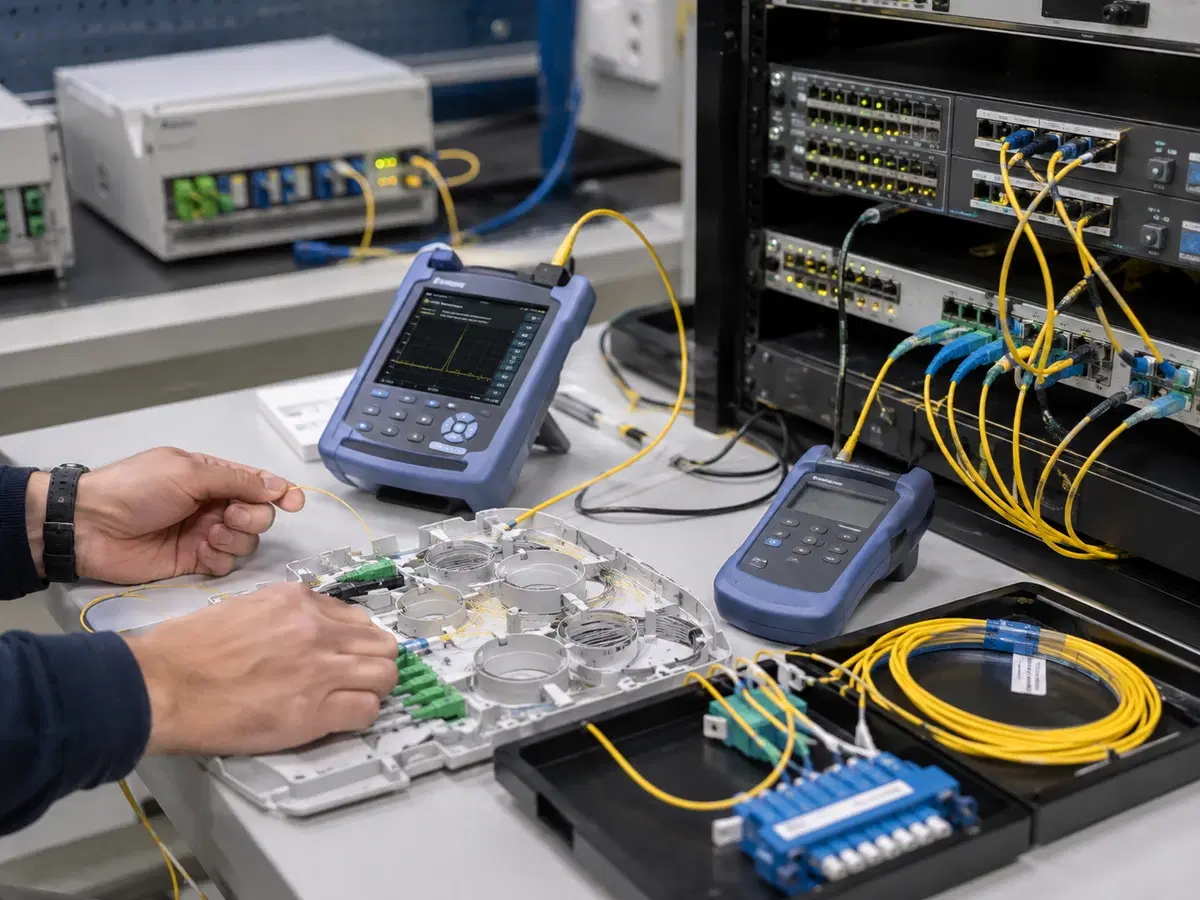
Route and coverage planning using the same GIS tools carriers plan builds with.
Explore Lab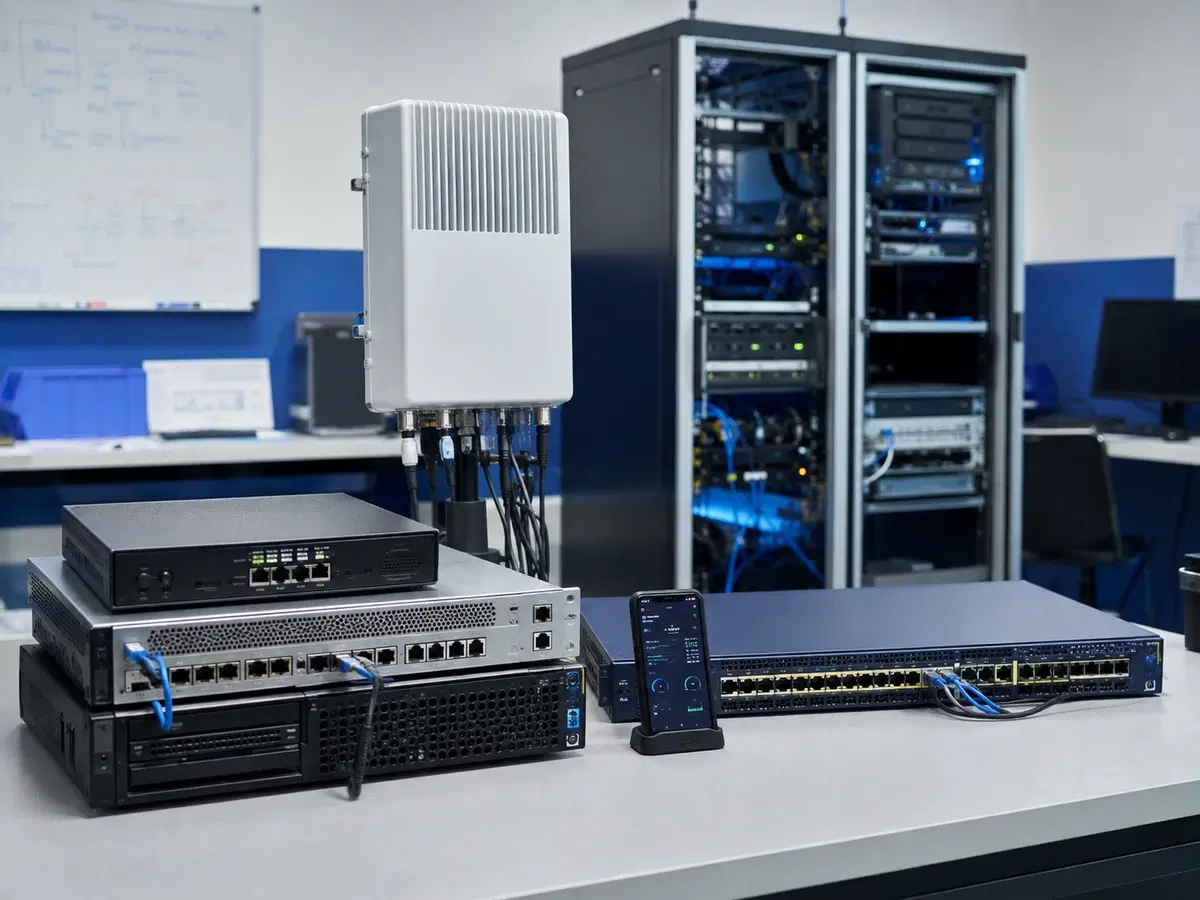
Private cellular core, radios, and edge compute for on-site network control.
Explore Lab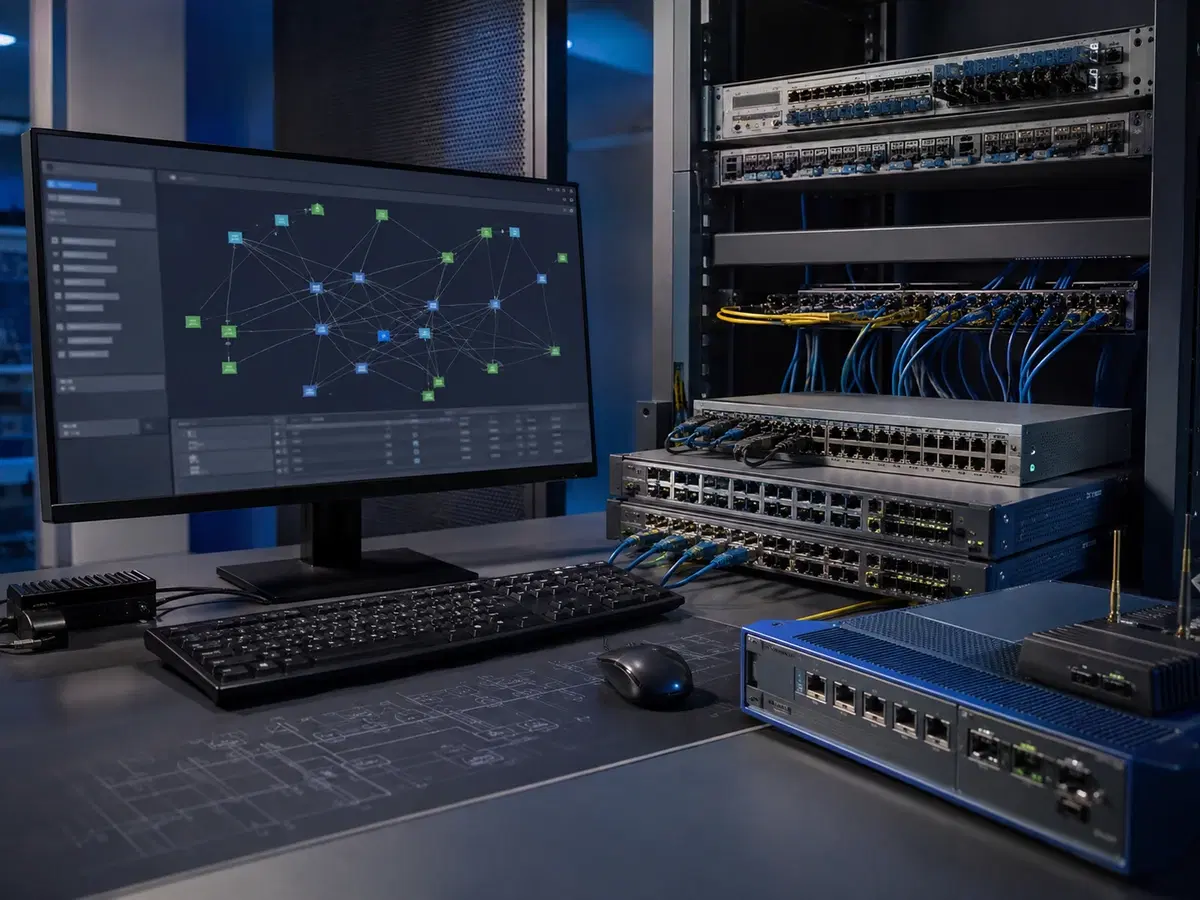
Controller-based network design and policy on a real SDN fabric.
Explore Lab
Scripted configuration, monitoring, and change management across a live topology.
Explore Lab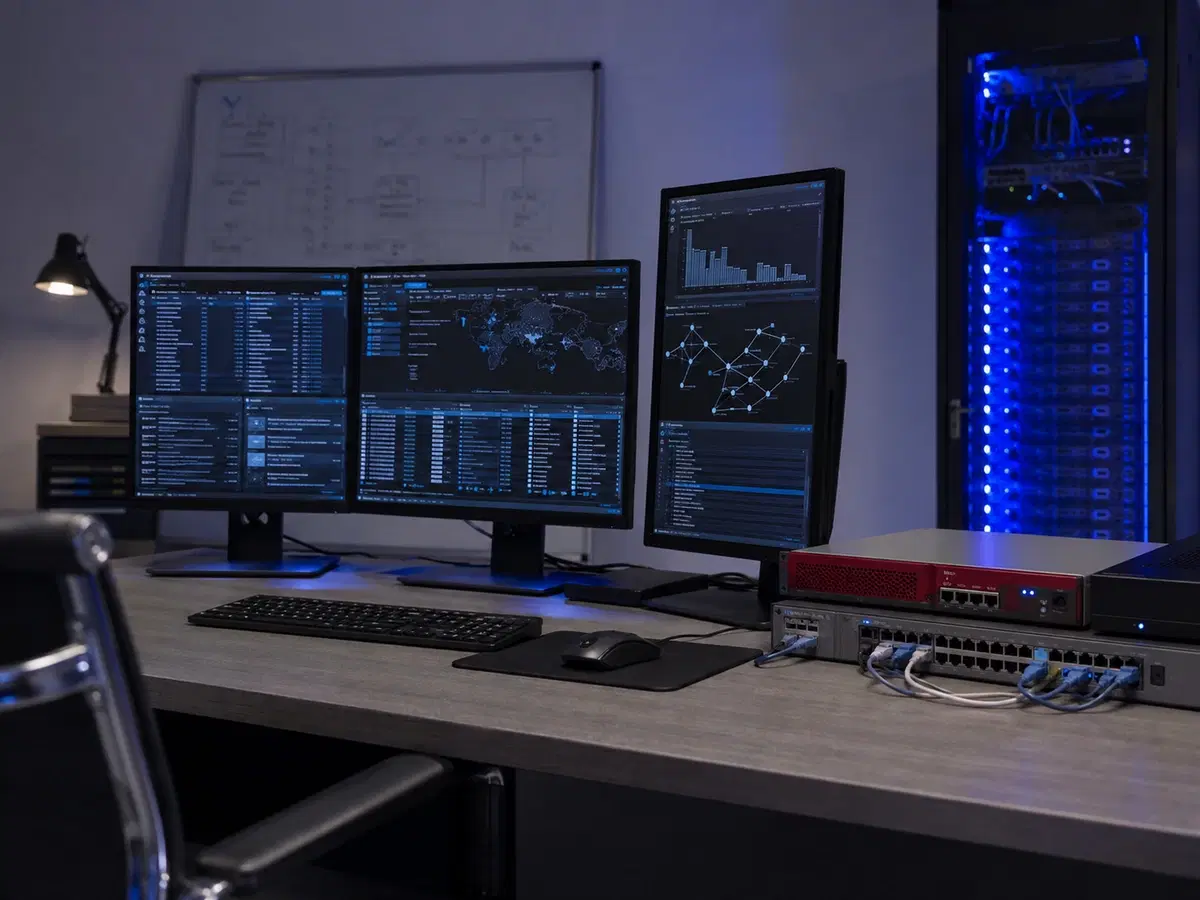
Threat detection, log correlation, and incident response in a monitored environment.
Explore Lab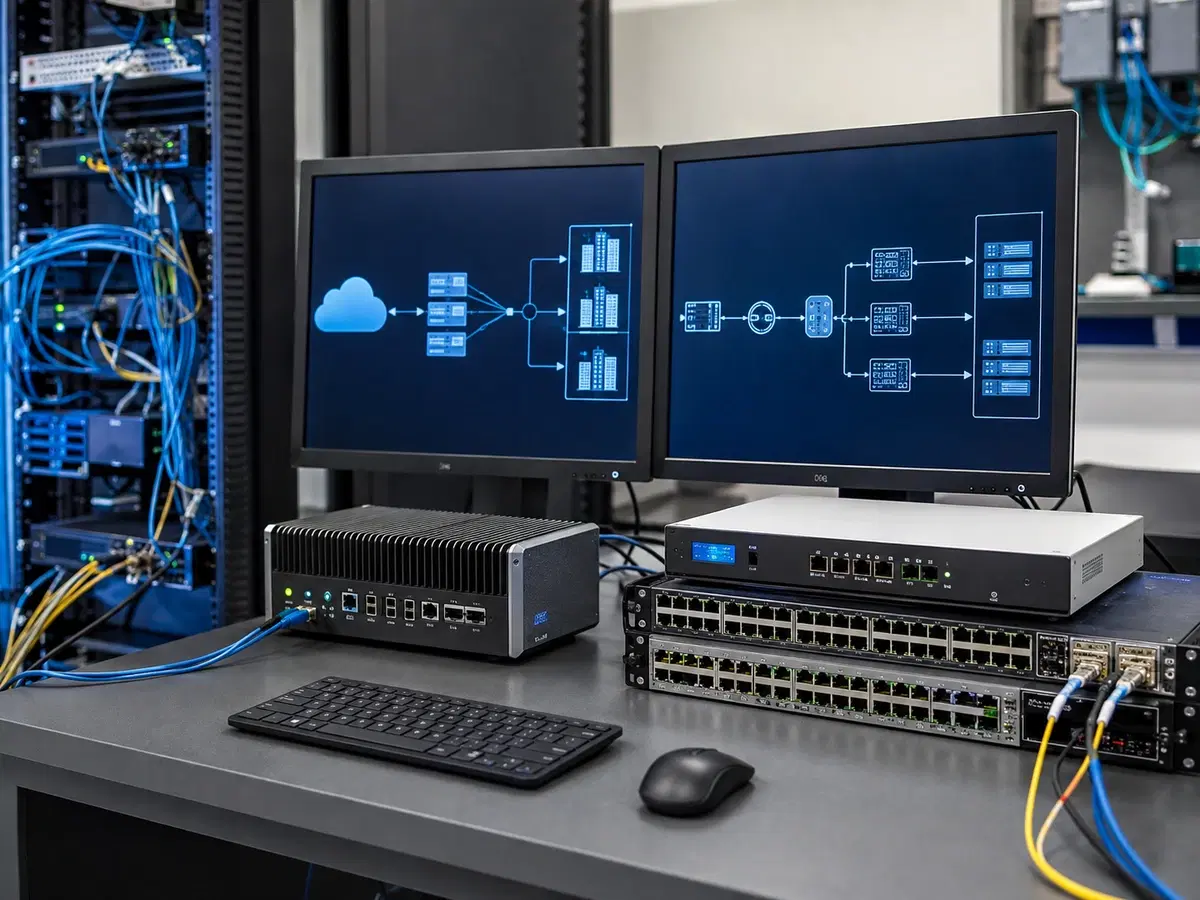
Connecting on-prem infrastructure to cloud environments the way real hybrid networks do.
Explore Lab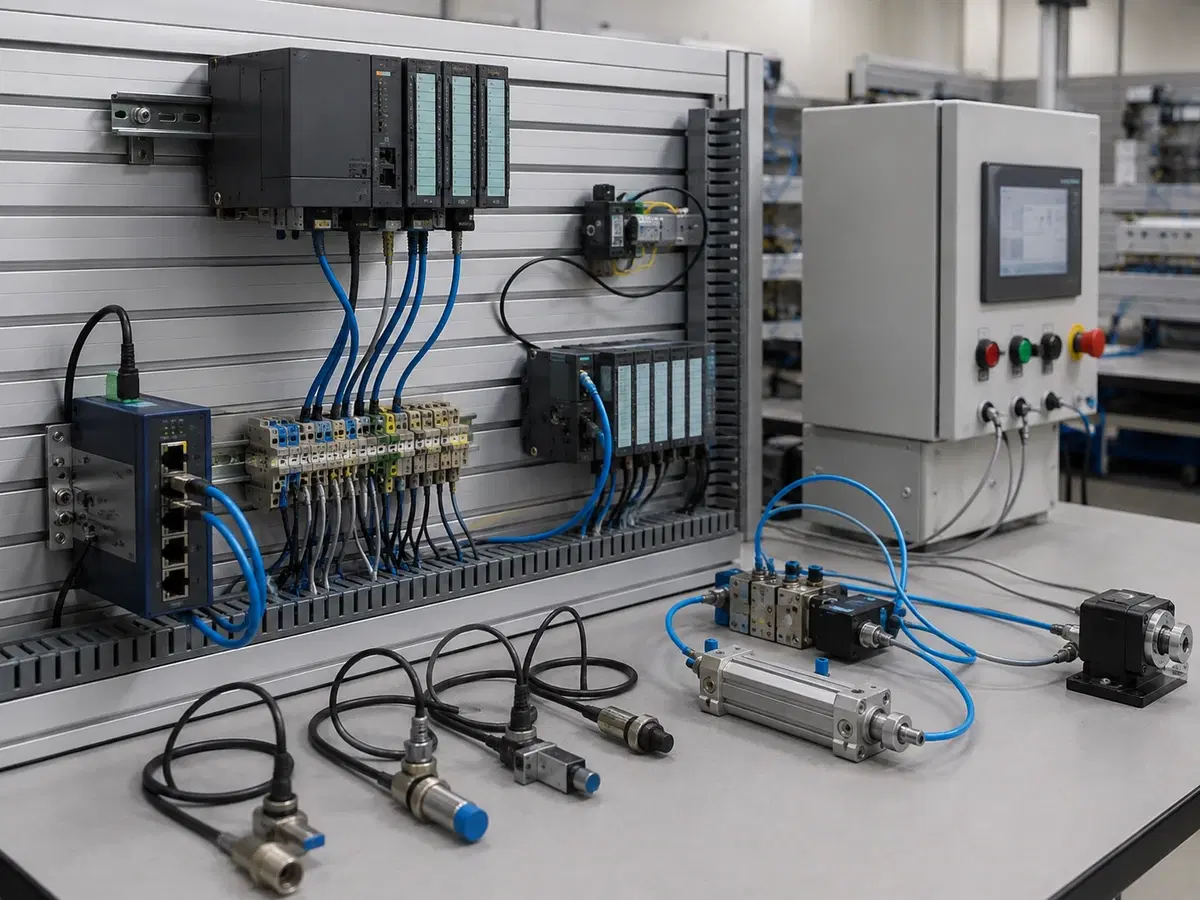
Sensor networks, PLCs, and industrial protocols feeding a real control system.
Explore Lab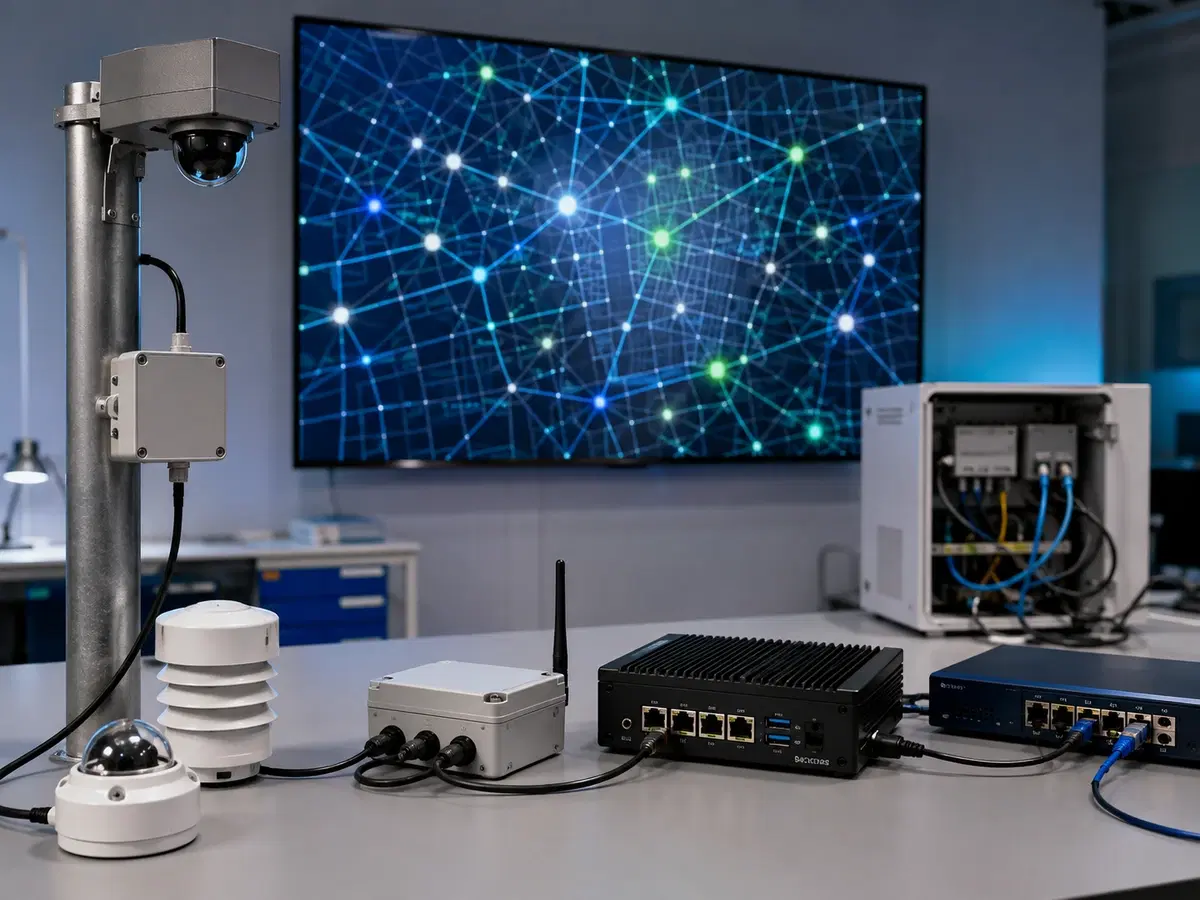
Municipal-scale sensing, connectivity, and network design for public infrastructure.
Explore Lab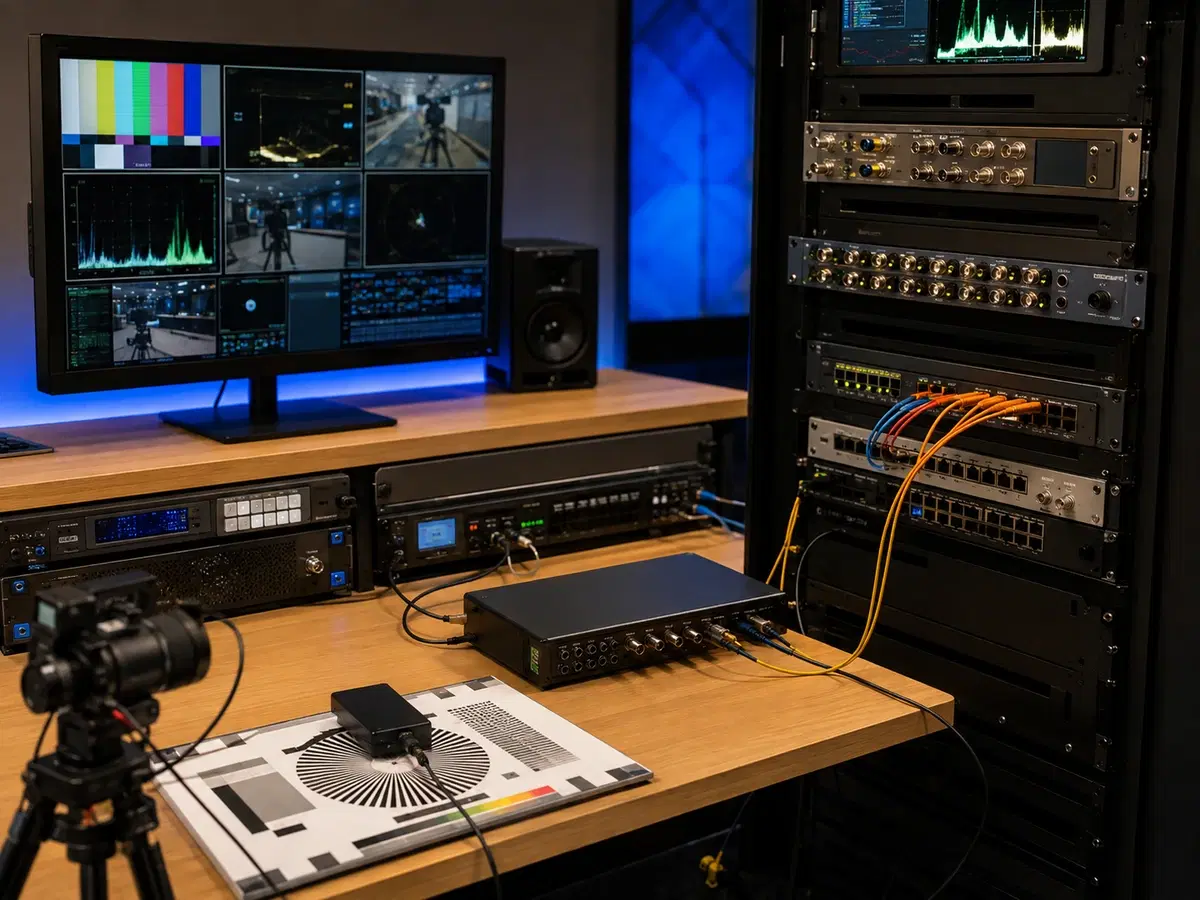
Signal chains and network delivery for live broadcast and streaming workflows.
Explore Lab13 lab domains · drag, swipe, or use the arrows
Don’t See the Lab You’re Looking For?
Our lab portfolio is not a fixed catalog. If your institution wants to explore a specific technology, research area, industry problem, or multidisciplinary environment, NodalWire can design a customized laboratory around your academic objectives, infrastructure, and budget.
A closer look at what a department, dean, or administrator actually receives.
Phase 1
Phase 2
Phase 3
Phase 4
Phase 5
Phase 6
Industry-Embedded Engineering Education
Labs based on real operator, enterprise, and infrastructure environments, not simplified classroom demo kits.
Curriculum + Equipment + Faculty Enablement
The engagement extends beyond hardware into the complete learning ecosystem around it.
Vendor-Neutral Architecture
Technology is selected around educational objectives, infrastructure, and budget, not a single vendor's catalog.
Accreditation-Ready Infrastructure
Design documentation and learning environments can support institutional accreditation objectives.
Placement-Oriented Learning
Experiments and projects are aligned with practical engineering workflows and the skills employers actually test for.
Institution Type
Primary Interest
Objective
Deployment Approach
Answer each question to see next steps
Build Industry-Ready Engineers
Whether you are modernizing an existing laboratory, building a new department, creating a research environment, or exploring a technology not listed in our portfolio, we can help develop a practical roadmap around your academic goals and budget.
No. Most institutions start with a single technology domain and expand in phases as budget and program needs allow. The architecture is designed up front so later additions integrate cleanly instead of requiring a redesign.
Faculty enablement is part of the engagement, not an afterthought. We train faculty directly on the deployed lab and provide a teaching framework and troubleshooting support so they can run it independently.
Every lab is delivered with a technology refresh plan, so upgrades are anticipated rather than discovered when equipment goes end-of-life.
Yes. Curriculum, experiment sequences, and lab manuals are developed alongside the equipment, aligned to your program's learning objectives.
Labs can be designed to support both instructional use and research work, including equipment and access models suited to graduate and doctoral research.
We can provide technical documentation and architecture detail suited to grant and funding proposals, though the proposal itself remains the institution's own submission.
Assessment, lab architecture and curriculum design, deployment and commissioning, faculty enablement, student exposure, then ongoing support, the six phases outlined above.
Yes. The portfolio above reflects common starting points, not a fixed catalog. If your institution needs a specific or multidisciplinary technology environment, we design around that objective directly.
Often, yes. We assess what already exists and identify what can be retained, upgraded, or integrated into a new architecture, rather than assuming a full replacement is required.